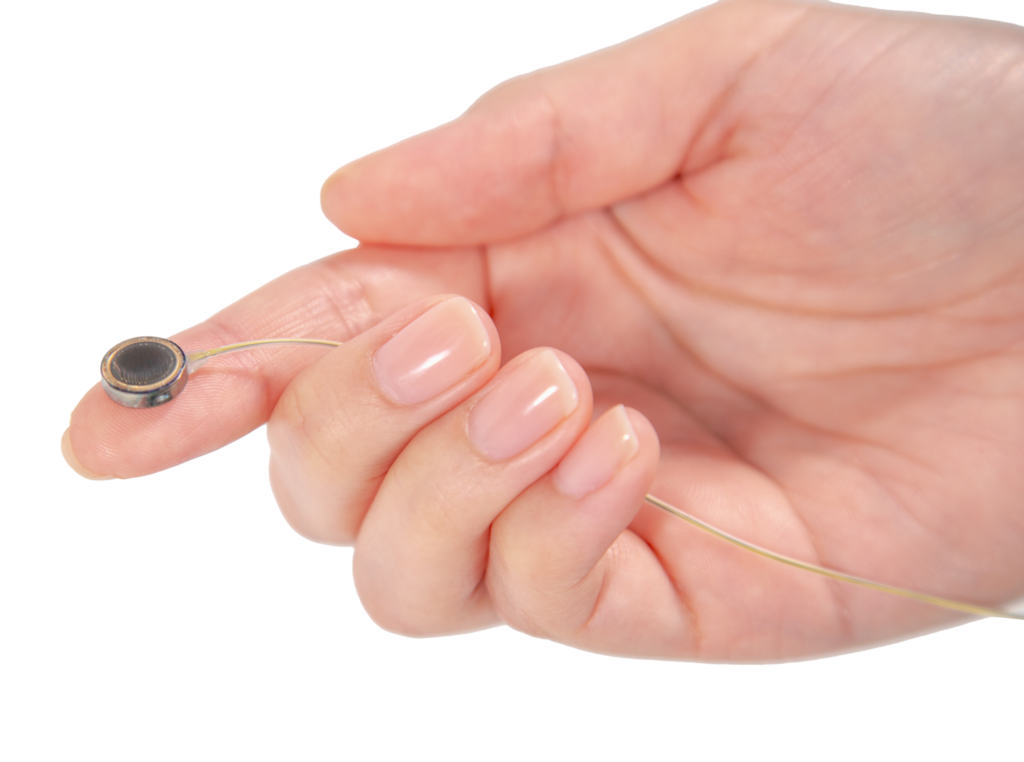
Intracortical vs. ECoG
When Going Deeper Pays Off
Discover why implant depth is the key determinant of BCI modality performance and why intracortical devices deliver superior outcomes.
Observations from the edge of BCI science and the industry.
Discover why implant depth is the key determinant of BCI modality performance and why intracortical devices deliver superior outcomes.
China's first commercially approved BCI made headlines. Here's what U.S. investors and policymakers need to know about the real state of the BCI race.
Better algorithms can only take you so far. What happens when the data itself is the problem?
Explore the surprising bandwidth limitations of the human mind and body, and how BCI technology can restore and enhance our full experience.
Electrocorticography remains key for neurosurgery, but its ceiling in BCI neurotech shows why higher-resolution BCI interfaces drive next-gen neurotechnology.
BCI users report that neuroprosthetics feel like a natural extension of the body, enabling new independence and expression.
Animal studies show 2.5 years of stable recordings and sustained BCI decoding capabilities.
The iBCI-CC addresses profound ethical questions on BCI privacy, autonomy, and misuse.
At the intersection of AI and healthcare, brain interfaces are redefining what’s possible in treatment and care.
Paradromics is advancing neurotech with durable brain interface technology designed to restore speech and computer control for people in need.
Just as pumps aid hearts and dialysis aids kidneys, brains need data interfaces to restore lost function.
BCIs are a healthcare innovation, poised to transform care for neurological and mental health conditions.
Researchers have long recognized that brain-computer interfaces (BCIs) could offer a solution for those with augmentative and alternative communication needs.